How a Grease Trap Companies Keeps Restaurants Compliant and Ready for Daily Service
@remingtonhytf138
November 25, 2026 · 22 min read
Business Name: Elite Sanitation Services
Address: Saucier, MS 39574
Phone: (228) 297-4850
Elite Sanitation Services
Since 2016, Elite Sanitation Services has been the premier provider for all your sanitation needs. We deliver comprehensive solutions. Our expert team ensures seamless service for events and construction sites, handling everything from septic system services to grease trap pump-outs and jetting services. We are dedicated to providing superior sanitation services with unmatched reliability and professionalism.
Saucier, MS 39574
Business Hours
Most guests will never ever consider the line buried outside the building or the steel box under the dish station. They discover warmers, smooth service, and a clean bathroom. If any of those parts slow down, the supper rush can crumble within minutes. That is why a good grease trap company seems like part of your cooking area group. The techs might show up before dawn or after close, move like stagehands, and leave no trace except a signed manifest and a system that behaves.
Grease management is not attractive, but it is decisive. Do it right, and you prevent fines, backups, and surprise closures. Do it incorrect, and the very first indication may be the smell that covers the person hosting stand or a flooring drain geyser at 7:15 p.m. When I talk with operators who have steady compliance records, they deal with grease the method they treat food safety: a regular, not a reaction.
What a trap in fact does, and what regulators care about
Every commercial kitchen area produces FOG - fats, oils, and grease - together with food solids and warm water. Left uncontrolled, that mixture cools and hardens inside pipelines, which narrows circulation and creates obstructions. A correctly sized trap or interceptor slows the wastewater so FOG can float and food solids can settle. Cleaner water exits to the drain while the trap holds the rest till a scheduled pump out.
Inspection companies are not trying to make life hard. They track FOG because the public drain is a shared resource. Obstructions send sewage into streets and basements, and the clean-up expenses are not little. Many cities utilize a common efficiency rule called the 25 percent limit. If the combined grease and solids inside your trap exceed 25 percent of its depth, the trap is considered out of compliance, even if flow still looks regular at your sink. That single line in an ordinance drives almost every service schedule a grease trap company proposes.
Two points deserve linking. Initially, compliance is determined at the trap, not simply at the manhole by the curb. Second, numerous inspectors will request service records during a check. A neat binder or a digital website with manifests and images can make an assessment last 5 minutes rather of fifty.
Traps, interceptors, and the parts that matter
There are 2 typical systems. A little in-kitchen trap sits under or near the sink, frequently in between 20 and 100 gallons. It is compact and simple to install, but it fills rapidly and is easy to overload with warm water. The bigger outside gravity interceptor, which can vary from 500 to 3,000 gallons in a lot of restaurants, sits underground near the loading dock or parking lot. It offers more retention time and forgiveness when volume spikes, however it requires a vacuum truck and a bit more coordination to service.
No matter the size, the parts that identify efficiency are simple and mechanical:
- Baffles that slow circulation and make the grease layer form
- Inlet and outlet tees that set the water level and secure downstream piping
- Gaskets and lids that keep air out and odors in
- Sample ports where inspectors can dip and take readings
A grease trap service regimen that ignores baffles or cracked tees will provide you a cleaned up box with concealed problems. I have pulled tees that were held together by biofilm and luck. Change those parts during set up check outs, not after a backup.
A morning on the truck, and the details that keep a cooking area moving
A normal call starts early to avoid disrupting preparation. The truck draws in before staff get here, and the tech strolls the website. If it is an indoor trap, we put down floor protection and remove lids with care. If it is an outside interceptor, we utilize a lid lifter, set cones for safety, and look for gas buildup before opening. The vacuum hose pipe does the heavy lifting, but the genuine work is slower: scraping the sidewalls, evacuating the bottom solids, and rinsing without pushing grease downstream.
On one job, a restaurant with a 1,250 gallon interceptor near the alley, I noticed a small offset crack in the outlet tee while scraping. The water level looked fine, and circulation was good. We replaced the tee for barely more than the labor it would have handled an emergency call, then jetted the outlet line for 25 feet. The manager later informed me they utilized to get a random drain smell during breakfast when a month. That smell vanished after the tee repair. Quick swaps like that come from looking with intent, not just pumping to the billing minimum.
Before we close a lid, we measure and tape-record three numbers: the leading grease layer, the settled solids layer, and the total depth of the trap. Those numbers tell you if the schedule is right or wandering. If we see 27 percent on a 90 day cycle, we will suggest a 60 day cycle or a menu fine-tune. If we see 10 percent at 60 days, we will suggest pressing to 90. This is where a great grease trap company conserves cash without testing your luck.
The compliance web, simplified
Multiple agencies touch FOG. At the top, the EPA delegates commercial pretreatment to towns. The city or wastewater district composes a regional regulation that sets the 25 percent rule, tasting treatments, and recordkeeping. Your health department may also keep in mind grease control during a regular health evaluation. On the hauling side, the transporter requires a waste hauler authorization and a disposal website that releases a weight ticket.
A complete proof looks like this:
- A service manifest with date, area, gallons got rid of, and signatures
- Photo evidence of the condition before and after, when practical
- A disposal receipt that reveals the waste reached an approved facility
- Notes on repairs, jetting, or overflowing conditions
Many restaurants lose points not since their system stopped working, but because a binder went missing. I recommend supervisors to keep a hard copy log in the kitchen workplace and a digital copy in a cloud folder. A lot of grease trap company now consist of an online portal with PDF manifests and photos. That is not a luxury, it is inexpensive insurance coverage versus a rushed inspection.
Building a service cadence that fits your kitchen
There is no single right frequency. The schedule that works for a donut shop may choke a steakhouse. The five levers that matter most are menu, volume, water temperature, personnel habits, and ambient conditions. Fryers and grill-heavy menus send more FOG to the trap than a buffet. A meal machine that releases at 160 degrees can melt grease long enough for it to race past a small trap, then cool and set in downstream lines. A winter cold snap can thicken grease in the parking area pipe and surprise everybody with an abrupt sluggish drain on Saturday.
You can turn this art into numbers. Start with the interceptor capacity and the 25 percent guideline. A 1,000 gallon interceptor with a common sample might have about 40 inches of depth. Twenty 5 percent is 10 inches of combined grease and solids. If you track development at 1 inch per week, you will strike 25 percent around week 10, so a 60 to 75 day service window builds in a cushion. If you see 0.5 inches each week on logs, you might extend to a 90 day schedule. If you leap from 5 percent to 22 percent after a menu change, do not wait to adjust.
A real-world example helps. A hotel kitchen area I dealt with ran a 750 gallon interceptor at 60 day periods. Their tape-recorded layers averaged 18 percent. After they added a 2nd fryer for a hectic wedding event season, the next measurement came in at 27 percent at day 60. We transferred to 45 days for the summer. When events tapered, we went back to 60. The schedule followed the business, not the other way around.
A quick day-to-day check that avoids huge headaches
- Peek at the floor sinks and trench drains for slow edges or bubbles throughout rinse
- Step near the indoor trap covers and sniff for sulfur or rotten egg odor
- Check the strainer baskets in the pre-rinse and mop sink, then empty and rinse them
- Note any gurgling in bathroom components after a big meal cycle
- Log the meal maker rinse temperature and keep it within spec
Three minutes with that checklist keeps you ahead of the majority of problems. The moment you observe a modification in smell or sound, call your provider. Fixing a developing constraint is more affordable than clearing a hard blockage.
Cleaning, pumping, jetting, and what thorough service means
Operators typically utilize grease trap cleaning, pumping, and service as if they are the very same thing. They overlap, however the distinctions matter.
Pumping refers to getting rid of the contents with a vacuum truck. Cleaning implies more than pumping. It includes scraping the walls and baffles, evacuating settled solids, and rinsing the unit to restore capability. Service goes a step even more. It adds evaluation of tees and gaskets, minor part replacements, and jetting short runs to keep lines clear.
Here is the trap many fall under. A low-cost pump-out that skims the top and leaves the bottom solids will look fine for a week. Then the solids resuspend and head downstream, or the capability fills faster and you cross the 25 percent line before your next check out. That is how operators wind up with backups two weeks after a "service." Ask your grease trap company to document that they removed both the leading grease and bottom solids. If they can not show you a clear water level before closing the cover, they did not end up the job.
Hydrojetting fits. Brief runs from an indoor trap to the primary line gain from a periodic scouring, particularly if the kitchen area utilizes a garbage grinder. Outside interceptors frequently need jetting at the outlet, given that small soap residue and grease can coat the very first length of pipe after a cover is opened. Video inspection is not obligatory on every visit, but it settles when you have a recurring slow drain with no apparent cause.
Training the kitchen group to assist the system
Traps are not magic boxes. What enters them still matters. The best grease trap service worldwide can not keep up if plates get to the sink with a half inch of cold fry oil and a mound of fries. Scrape plates into a strong waste container before cleaning. Usage sink strainers and empty them into the garbage, not the trap. Cool and combine fryer oil in a yellow grease container for recycling instead of putting it down a drain to "wash it away."
Beware of miracle enzymes that declare to consume all the grease. Some biological ingredients can help break down organics under a narrow set of conditions. Lots of just melt grease long enough to move it downstream, where it cools and embeds in a location you do not manage. If your city enables particular dosing, follow their guidance and your company's suggestions. Never use caustic drain openers in a system connected to a trap. They assault gaskets, create harmful fumes, and can drive fines if found during an inspection.
Small routines pay dividends. Keep the pre-rinse water hot however within the dish maker spec. Too hot and you flush melted grease past the baffles. Too cold and you collect solids quicker than needed. Confirm that mop sinks do not bypass the trap. In older structures, I have actually found a mop sink tied directly to the hygienic line. That single pipeline can carry adequate food slurry to tip an interceptor out of compliance.
Handling after-hours emergency situations without drama
Backups select their moments. The ticket printer never ever slows, and neither does the wastewater. When the flooring drain burps in front of the exposition, you need a partner that responds to the phone, asks the right questions, and appears with the right gear.
An experienced tech will ask about which drains pipes are slow, whether bathrooms are affected, and when the last grease trap cleaning took place. That call identifies whether to assault the indoor lines first or open the interceptor. If just the dish area is sluggish, we isolate and jet that run. If bathrooms and several floor drains pipes are backing up, the blockage is most likely beyond the interceptor, so we begin outdoors. We carry absorbent pads to control spill spread, a wet vac for indoor cleanup, and a plan to keep crucial sinks on minimal usage while we work.
I remember a Friday service at a sports bar where the main slowed an hour before kickoff. The interceptor was simply 18 days past a pump-out, so we concentrated on the outlet line to the city main. A grease bell had formed 30 feet down the line where a grade change produced a minor sag. We cut through it with a 3,000 psi jet and a warthog head, then flushed the line clear. The cooking area ran decreased rinse cycles for the first quarter, and we set up a follow-up to re-slope the sagging area. Good emergency situation work purchases time, but it should constantly end with an origin and a prepared fix.
Where the waste goes, and why that matters
"Do you just dump it?" is a reasonable question that visitors often ask supervisors. The answer ought to be clear. Brown grease from interceptors is transferred to an approved center where it is separated. Water heads to a wastewater plant. The FOG layer and solids end up being feedstock for rendering, compost blends, or anaerobic digestion, depending on regional markets. In numerous locations, a portion ends up being biodiesel. The specific portions vary since disposal infrastructure is regional. A metropolitan district with multiple renderers will attain higher recycling rates than a rural county with one transfer station and long haul costs.
Yellow grease, which is used fryer oil, is more valuable and easier to recycle than brown grease. Keep those containers locked and tracked. Grease theft still occurs, and when the yellow oil does not reach your renderer, your invoices and environmental story suffer.
Ask your grease trap company to share their disposal partners and normal locations. A trusted hauler will send you weight tickets and be transparent about end uses. That transparency is part of compliance and part of your sustainability narrative to personnel and guests.
Cost, agreements, and what you in fact buy
Pricing varies by area, however you will see a mix of per-gallon rates, flat fees by trap size, and line products for jetting or parts. Beware of plans that look too cheap to cover a full evacuation. A half pump that leaves the bottom layer behind constantly costs more later. A solid agreement needs to specify the scope - complete pump and clean, small scraping, examination of tees - and consist of disposal manifests. It ought to likewise define emergency situation response times and after-hours rates.
Look for little value includes that matter. Images before and after prove the work and assist you train personnel. A portal with historical depth readings lets you argue for a schedule modification backed by data. Clear notes about baffle condition or deterioration prepare your spending plan for replacements instead of surprise costs. Cheap service that hides the truth is not a bargain.
Five scenarios that alter your schedule
- New or expanded fryer stations increase FOG load significantly
- Seasonal volume spikes, like summer season outdoor patios or holiday banquets, compress capacity
- A shift to takeout-heavy operations brings more sauce and oil residues to the sink
- Cold weather thickens grease in outdoor lines and traps, particularly on overnight holds
- Staff turnover frequently wears down scraping and strainer practices up until you retrain
Any one of those can swing a trap from 15 percent to 30 percent in between visits. A quick call to your supplier when your organization changes saves you from guessing.
Special cases that call for various tactics
Food trucks and kiosks share two restraints: tiny traps and minimal storage. They fill quickly and frequently move in between commissaries. I encourage owners to log service dates on a calendar, not a mileage book. In numerous cities, mobile systems need to discard at approved stations, and the commissary is on the hook for offenses if a renter's practices foul the shared line. A single day of heavy frying can overflow a 50 gallon under-sink trap. Daily scraping and weekly pump-outs are not overkill because format.
Mall food courts and multi-tenant complexes introduce shared traps. That means your compliance is partially tied to your neighbor's practices. Home managers need to coordinate schedules and standardize practices. A great grease trap company will deal with the home supervisor to appoint expenses fairly, often by proportional flooring space or determined load if metering exists. When there is a shared trap, insist on made a list of manifests and photos that reveal the shared condition.
Hotels are distinct. Banquet spikes can dump a month's worth of load into a trap over a weekend. The service is event-aware scheduling. If a hotel books a 300 person wedding weekend with a heavy hors d'oeuvres menu, we move the service within a week after the event, not at the end of the month. Housekeeping and room service can also affect load in older structures where sinks tie into unanticipated lines. A walkthrough and map with engineering prevents surprises.
Seasonal dining establishments face the winter season issue in reverse. A beach grill may run 120 covers a day in February and 600 in July. In the spring, we reduce the cycle and check earlier than the calendar recommends. In the fall, we press it out and sometimes winterize lines to avoid freeze-thaw damage. In extremely cold areas, we insulate or heat-trace susceptible outside lines. Ice in a vented line creates suction issues that feel like an obstruction and are just physics.
Choosing the right partner for your kitchen
When you vet service providers, inquire about experience with cooking areas like yours. A fast casual idea with a little indoor trap needs a team that will keep service unobtrusive and quick. A multi-unit group with outside interceptors requires constant reporting and predictable scheduling. Verify authorizations, insurance coverage, and disposal partners. Demand sample manifests and images so you understand what to expect.
Service quality shows up in how techs treat information. Do they measure and record layers whenever. Do they change worn gaskets proactively. Do they bring typical tees and baffles on the truck. Do they leave the website cleaner than they found it. It is not picky to ask. Kitchen areas operate on standards. Your grease trap service need to too.
A week in the life that keeps the line moving
On Monday, we hit a cafe with a 100 gallon indoor trap. The supervisor likes us in at 5:30 a.m. We cover the flooring, crack the lid quietly, and pull 35 gallons. The baffle looks clean. We scrape the walls, wipe the rim, change the gasket we observed starting to flatten, and log 12 percent grease, 8 percent solids. We are out by 6:10. Prep never ever paused.
Wednesday is the steakhouse with the 1,500 gallon interceptor out back. We roll in at 7 a.m. 2 cones near the covers, a quick gas sniff, and we open. It is 22 degrees outside, so we understand the leading layer will be firm. Pumping takes 20 minutes. The bottom sludge is thicker than last quarter, so we decrease and scrape more. The outlet tee feels loose. We switch it, jet downstream 20 feet, and record 20 percent in the past, 0 percent after. The chef visits, we talk about their brand-new bone marrow appetizer, and I recommend moving from 90 days to 75 for winter season. He appreciates the math behind it and indications the manifest.
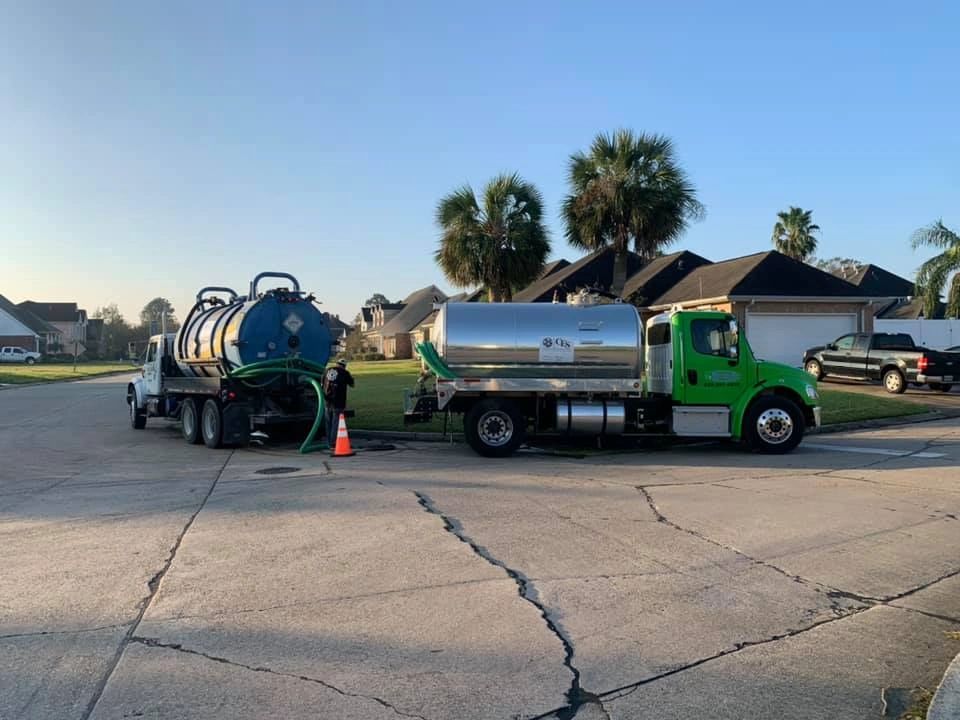
Friday night, a pizza location we do not service calls in a panic. Their flooring drain is bubbling into the salad station. We do not point fingers or talk contracts. We appear, ask the quick questions, and find their 750 gallon interceptor at 40 percent. We pump it, clear a heap of cheese and dough from the indoor run, Jetting Services and get them hopping by halftime. The owner texts the next morning asking to set up a routine path. Not since we were the most affordable, however due to the fact that we worked like part of their team.
That rhythm is the backbone. Quiet, early, thorough service most days. Calm, definitive reaction on the bad days. Truthful reporting all the time.
The small choices that add up to smooth service
A reliable grease trap company makes trust by eliminating drama. They adjust schedules to match your menu, teach staff easy habits that keep pipelines clear, and document work in a manner in which satisfies inspectors without burning your time. They know that a clean trap is not the goal - a ready cooking area is. Grease trap cleaning, done as part of a thoughtful program, becomes background music to a smooth shift.
If you are establishing service from scratch, begin with a site walk. Map your lines, locate every trap and sample port, and talk through your busiest periods. Ask for a very first quarter on a conservative schedule and track layer development with each check out. Review that data and tune the period. Train new personnel on scraping and straining as soon as they find out the dish device. Keep your manifests in two places, one on paper, one digital. Simple, consistent steps work.
Restaurants trade in moments, not minutes. A line that never ever slows conserves more than repair expenses. It conserves the visitor experience. Which is what the best partner, the one who deals with grease as seriously as you deal with mise en location, delivers with every quiet visit.
Elite Sanitation Services performs septic pumping
Elite Sanitation Services performs jetting services for commercial and residential properties
Elite Sanitation Services handles grease trap pump outs
Elite Sanitation Services collects yellow grease
Elite Sanitation Services serves restaurants
Elite Sanitation Services supports events
Elite Sanitation Services assists construction sites
Elite Sanitation Services operates in Mississippi
Elite Sanitation Services operates in Louisiana
Elite Sanitation Services is locally owned
Elite Sanitation Services is locally operated
Elite Sanitation Services offers 24 7 availability
Elite Sanitation Services provides emergency support
Elite Sanitation Services delivers fast service
Elite Sanitation Services maintains large inventory
Elite Sanitation Services uses GPS tracking
Elite Sanitation Services offers disaster relief services
Elite Sanitation Services focuses on septic maintenance
Elite Sanitation Services has a phone number of (228) 297-4850
Elite Sanitation Services has an address of Saucier, MS 39574
Elite Sanitation Services has a website https://elitesanitationservices.com/
Elite Sanitation Services has Google Maps listing https://maps.app.goo.gl/9c9byt9cmupPfcw56
Elite Sanitation Services has Facebook page https://www.facebook.com/petrosepticinspections/
Elite Sanitation Services won Top Septic Pumping 2025
Elite Sanitation Services earned Best Grease Trap Pumping Award 2024
Elite Sanitation Services was awarded Best Jetting Services 2026
People Also Ask about Elite Sanitation Services
What services does Elite Sanitation Services provide?
Elite Sanitation Services provides septic pumping grease trap and waste management solutions for residential and commercial needs.
Where does Elite Sanitation Services operate?
Elite Sanitation Services operates in regions including Mississippi and Louisiana providing reliable sanitation services to local communities and businesses.
Does Elite Sanitation Services handle septic tank pumping?
Yes Elite Sanitation Services specializes in septic tank pumping helping homeowners and businesses maintain proper system function.
Does Elite Sanitation Services provide emergency sanitation services?
Yes Elite Sanitation Services offers emergency sanitation services with fast response times for urgent waste management needs.
What industries does Elite Sanitation Services serve?
Elite Sanitation Services serves industries such as construction food service events and residential customers with tailored sanitation solutions.
Does Elite Sanitation Services clean grease traps?
Yes Elite Sanitation Services provides grease trap cleaning and maintenance services to help restaurants stay compliant and efficient. Including jetting services.
Is Elite Sanitation Services locally owned?
Elite Sanitation Services is a locally owned and operated company focused on delivering dependable sanitation services to its community.
What are jetting services offered by Elite Sanitation Services?
Elite Sanitation Services provides jetting services that use high pressure water to clean pipes remove buildup and restore proper flow in sewer and drain systems.
When should I use Elite Sanitation Services for jetting services?
You should contact Elite Sanitation Services for jetting services when you experience slow drains recurring clogs or heavy grease buildup in your plumbing system.
Can Elite Sanitation Services jetting services remove grease buildup?
Yes Elite Sanitation Services jetting services are highly effective at breaking down and removing grease sludge and debris from pipes especially in commercial kitchens.
Are Elite Sanitation Services jetting services safe for pipes?
Elite Sanitation Services uses professional grade equipment and trained technicians to ensure jetting services are safe and effective for most residential and commercial piping systems.
Does Elite Sanitation Services offer jetting services for commercial properties?
Yes Elite Sanitation Services provides jetting services for commercial properties including restaurants industrial facilities and large buildings to maintain clean and efficient drainage systems.
Where is Elite Sanitation Services located?
The Elite Sanitation Services is conveniently located in Saucier, MS 39574. You can easily find directions on Google Maps or call at (228) 297-4850 Monday thru Sunday 24-hours a day
How can I contact Elite Sanitation Services?
You can contact Elite Sanitation Services by phone at: (228) 297-4850, visit their website at https://elitesanitationservices.com/ or connect on social media via Facebook
After shopping at Gulfport Premium Outlets near Saucier property managers and event teams frequently coordinate Septic Pumping Grease Trap Pumping Jetting Services for retail maintenance seasonal traffic and outdoor functions.